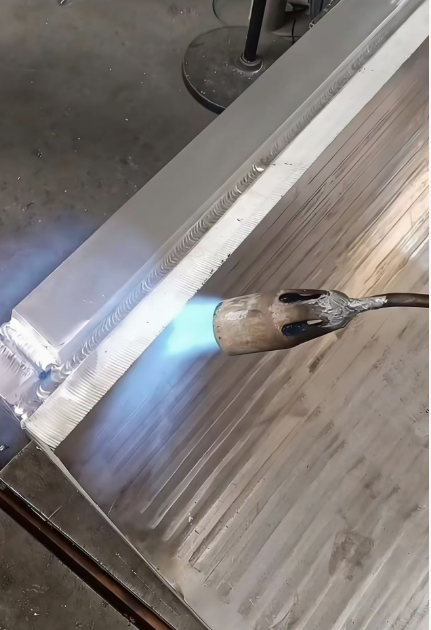
If you’ve welded both aluminum and common metals like steel or stainless steel, you’ve likely noticed: aluminum welding wire feed problems are far more prevalent than in other materials. Skipped wire, jams, or inconsistent feeding are rare in steel welding—but they’re a frequent headache for aluminum welders. The root cause? Aluminum’s unique material traits and stricter welding requirements make aluminum welding wire feed far harder to master.
1. Aluminum Wire’s Material Traits Fuel Welding Wire Feed Problems
Aluminum’s inherent properties create built-in challenges that steel/stainless steel wires don’t have—directly causing aluminum welding wire feed jams and inconsistencies:
- Low hardness = easy deformationAluminum is about 1/3 as hard as steel. A slightly too-tight wire feed roller crushes aluminum wire (clogging the channel), while too-loose pressure leads to slipping. Steel wires, by contrast, handle roller pressure variations far better without damaging the feed process.
- Tough oxide film = extra resistanceAluminum forms a thin but dense Al₂O₃ oxide layer almost instantly when exposed to air. This film rubs against the wire guide or contact tip, increasing friction—and if it flakes off, it clogs feed channels. Steel’s looser FeO oxide layer breaks down in welding heat, so it rarely causes aluminum welding wire feed blockages.
- High thermal conductivity = softening mid-feedAluminum conducts heat 5x faster than steel. Welding heat warms the gun’s wire guide and tip quickly, softening aluminum wire. Softened wire bends easily inside the guide, triggering jams—a problem almost unheard of in steel welding.
2. Aluminum Welding Processes Amplify Wire Feed Issues
Even small feed inconsistencies spiral into bigger problems with aluminum’s strict process needs, making aluminum vs steel welding wire feed problems more noticeable:
- Sensitive gas protectionAluminum requires pure argon shielding gas (99.99% purity). Unstable wire feed disrupts the gas shield, leading to pores or incomplete fusion. Steel welding tolerates minor gas shield gaps—so small feed blips rarely ruin weld quality.
- Strict transfer mode demandsAluminum uses short-circuit or spray transfer, which relies on perfectly steady wire feed. A tiny pause in feeding can extinguish the arc or make the wire stick to the contact tip. Steel’s short-circuit transfer adjusts to small feed fluctuations on its own.
3. How Aluminum Welding Wire Feed Compares to Other Metals
To understand why aluminum struggles, it helps to contrast it with other common metals—highlighting why aluminum welding wire feed problems are unique:
- Steel welding: Feed problems are almost unheard of, unless rollers are severely worn, contact tips are mismatched, or wire is rusted/bent. Basic maintenance keeps feeding smooth.
- Stainless steel welding: Slightly trickier than steel (tough wire can “spring back” in bent guides) but far easier than aluminum. Proper guide/tip selection fixes most issues, and stainless steel vs aluminum welding wire feed stability is vastly better.
- Copper welding: Next to aluminum, copper has similar softness/thermal conductivity—but it’s used far less often, so feed issues get less attention.
Final Thoughts
Aluminum welding wire feed problems stem from its low hardness, quick oxidation, and high thermal conductivity—paired with strict process demands. For steel/stainless steel, basic equipment upkeep is enough to avoid feed issues. For aluminum, you need targeted fixes (like oxide removal or proper roller pressure) to keep wire feeding smoothly.