Introduction
If you weld aluminum, you already know 4043 vs 5356 wire is the most common filler metal debate in the shop. These two wires have been around for more than 65 years. Their long history makes them feel like a universal fix. But they are not. For most day‑to‑day fabrication, one of these two fillers is enough. Yet special jobs call for something else. Picking the wrong one can cost you strength, looks, or both.
Why 4043 and 5356 wire Dominate the Industry
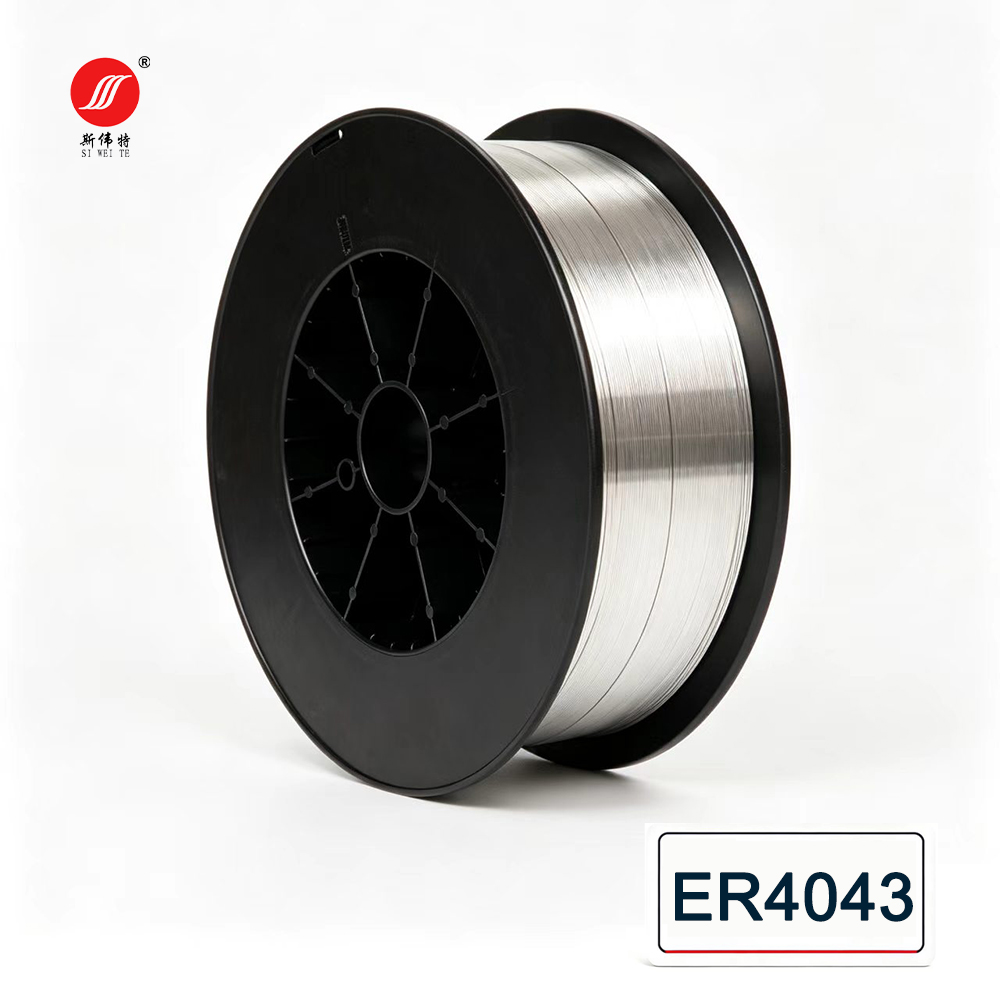
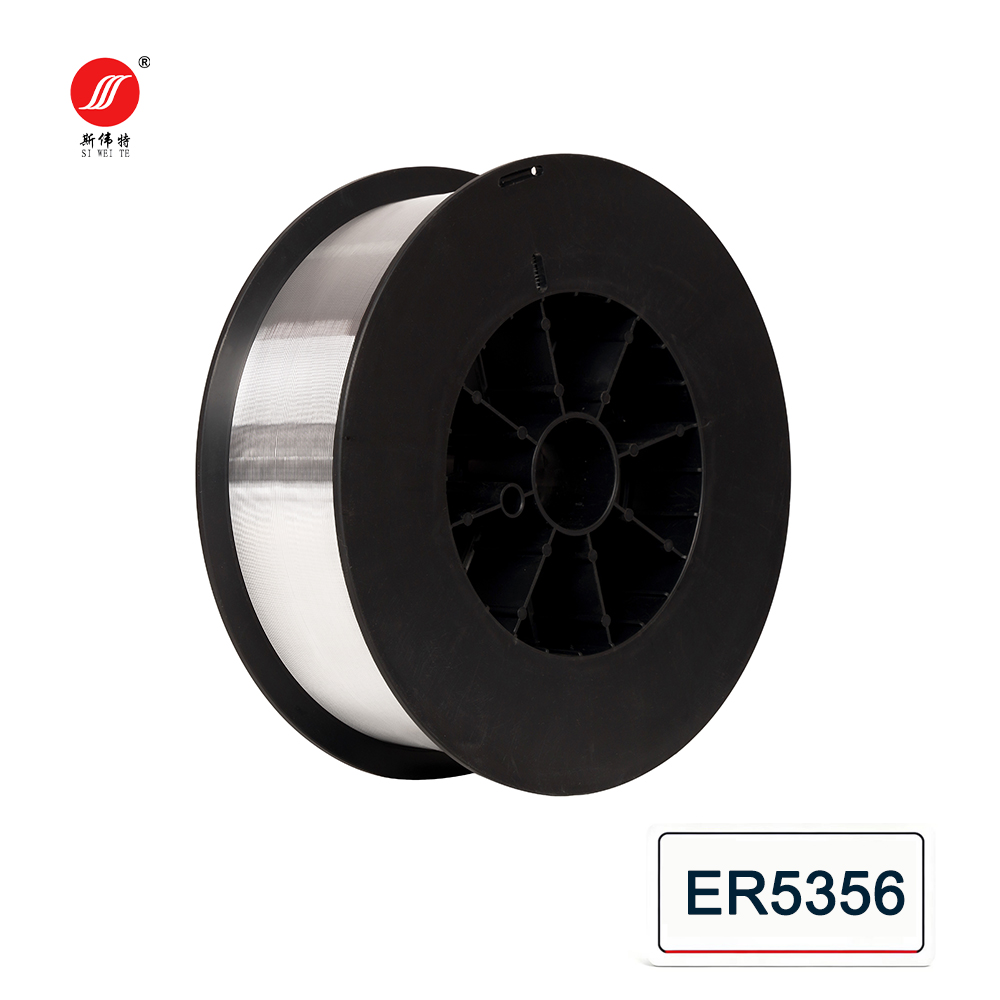
Aluminum welding wire comes in many grades. Still, the 4xxx and 5xxx families cover most production work. ER4043 is built around 5% silicon. ER5356 is built around 5% magnesium. Both run well in GMAW (MIG) and GTAW (TIG) setups. Both make sound welds on a wide mix of parent metals. That range explains why this pair has stayed popular for decades.
When people say “aluminum welding wire,” they usually mean one of these two. The choice between 4043 vs 5356 aluminum wire affects strength, finish, and cost. Getting it right starts with understanding how the two fillers behave.
Which Base Alloys Each Filler Can Weld
A simple rule guides filler choice: any arc‑weldable 6xxx or 5xxx alloy can usually be welded with ER5356. This covers 6005, 6061, 6063, 6082, 6351, and the full 5xxx series. ER4043 also works on 6xxx alloys. It also handles 5xxx alloys with less than 2.5% magnesium, such as 5005, 5050, and 5052.
But choosing only by base metal chemistry is risky. You should weigh the traits below before you load the spool. In the 4043 vs 5356 aluminum wire conversation, chemistry is only the starting point.
The 2.5% Magnesium Limit
ER4043 does not suit 5xxx alloys with magnesium above 2.5%, like 5086 or 5083. The silicon in the filler reacts with magnesium in the base metal. This reaction forms brittle phases and drags down mechanical properties. Stay within this limit and you avoid a common, costly mistake.
Strength, Ductility, and Weld Performance
Tensile and Shear Strength
ER5356 gives you higher tensile strength, roughly 35 ksi. ER4043 comes in near 24 ksi. That gap is large. It also affects shear strength, which matters when you size a fillet weld. A weaker weld may look fine but fail under real load. ER4043 also has lower ductility in the as‑welded state. If you plan to bend or form after welding, 5356 is the smarter pick. Some weld procedure qualifications even need special bend test rules for 4043.
Crack Sensitivity and Bead Appearance
ER4043 offers a higher weldability rating and lower crack sensitivity. It flows smoothly and leaves a clean, shiny cap. That is why many welders reach for it on general jobs. ER4043 also creates less spatter and fewer surface blemishes. The cosmetic edge is hard to ignore on visible parts.
Feedability: Soft Wire, Real Problems
Feeding aluminum is always trickier than feeding steel. Softer fillers make it worse. In the 4043 vs 5356 aluminum wire matchup, ER4043 is the softer of the two. During MIG welding, small‑diameter 4043 may bird‑nest or burn back more often. The 1xxx and 4xxx families share this headache. ER5356 feeds more predictably, which helps on long production runs.
High-Temperature Service: A Clear Divide
If the part sees temperatures above 150°F (66°C), ER4043 is the better choice. Its silicon content keeps the weld stable when things get hot. ER5356 is not recommended for high‑heat service. At elevated temperatures, magnesium‑bearing welds can lose toughness over time. This single factor often decides the job.
Anodizing and Color Match After Welding
Need to anodize the finished part? Skip ER4043. It usually turns dark gray after anodizing. ER5356 gives a much closer color match, especially on 6xxx base metals. The match is not perfect, but it is far better than the sharp contrast you get with silicon‑based fillers. For architectural or visible work, this difference is decisive.
Meeting Minimum Weld Strength Requirements
During welding procedure qualification, ER5356 typically meets the minimum transverse tensile strength for 5005, 5050, 5052, and 5086. But it may fall short on stronger alloys like 5083 and 5456. Always check the applicable welding code before you commit. The code, not habit, should have the final say.
Decision Guide: 4043 vs 5356 Wire
| Condition | Recommended Filler |
|---|---|
| Service above 150°F / 66°C | ER4043 |
| Maximum strength, structural load | ER5356 |
| Post‑weld anodizing needed | ER5356 |
| Magnesium > 2.5% (5083, 5086) | ER5356 |
| Best bead appearance, low spatter | ER4043 |
| Better MIG wire feedability | ER5356 |
Final Thoughts on 4043 vs 5356 Wire
Choosing between these two fillers is not just a numbers game. You must account for service temperature, post‑weld finishing, required strength, and final appearance. For high heat, 4043 wins. For strength and anodizing, 5356 is the clear answer. A few minutes of planning beats hours spent grinding out a bad weld. When in doubt, review the base metal specification and the welding procedure.