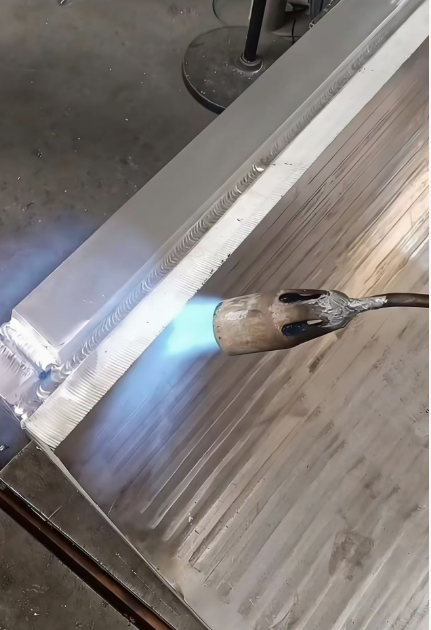
Excellent properties of Aluminum
Aluminum has excellent properties. It is lightweight, high-strength, corrosion-resistant and has good thermal conductivity. These unique advantages perfectly align with the core needs of new energy vehicles, such as improving energy efficiency, extending battery life and ensuring structural safety, thus making it widely used in new energy vehicles.
Aluminum in New Energy Vehicles
In terms of body structure, aluminum alloy is widely used for its light weight. It reduces the overall vehicle weight. It also improves energy efficiency effectively.
Aluminum is essential for battery cases and heat dissipation components. They ensure the safe and stable operation of batteries. It is also widely used in battery trays, providing robust structural support while effectively dissipating heat to protect the battery module.
Aluminum alloy also plays an indispensable role in the chassis. Its high strength and light weight improve vehicle handling and energy efficiency.
Some new energy vehicles use aluminum for anti-collision beams. Aluminum anti-collision devices absorb collision energy well. They maintain high plasticity in static and dynamic collisions to protect passengers.
Aluminum is also used in suspension systems and wheels. Its application has penetrated all aspects of new energy vehicle parts.
Automotive aluminum has three processing forms: die casting, extrusion and rolling. Die castings account for about 80% of the total usage. Extrusions and rolled products each account for 10%.
Rolled aluminum sheets are used for body covers, such as four doors, two covers, fenders and roof. Extruded profiles are used for body frames, anti-collision beams and battery cases.
With the continuous upgrading of new energy vehicle technology, the aluminum in new energy vehicles will keep rising. Its unique properties perfectly match the lightweight and safety needs of new energy vehicles. From core structural parts to key components, aluminum’s all-round penetration will continue to promote the development of the new energy vehicle industry, becoming an indispensable material in the green travel era.