A TIG tungsten electrode is the core consumable tool for all GTAW (TIG) welding processes. It conducts electric current to create a stable welding arc without melting into the weld pool. Many new welders are confused about this essential component when they first start learning TIG welding. Understanding basic tungsten electrode features and classifications helps operators get familiar with the fundamentals of GTAW welding.
What Is a Tungsten Electrode & How Does It Work in TIG Welding
TIG welding differs from MIG welding because it uses a non‑consumable electrode. The tungsten electrode sits in the torch center and generates the high‑temperature arc that melts base metal and filler wire. Unlike welding wire, the tungsten tip remains solid throughout the entire welding process.
Tungsten is ideal for this job due to its extreme physical properties. It has one of the highest melting points of all industrial metals and maintains stable performance under continuous high heat. This durability prevents rapid wear, arc flickering, and contamination during long welding sessions.
The core function of every TIG tungsten electrode is simple: sustain a consistent, concentrated arc. A stable arc ensures even heat distribution and precise weld control for different metal workpieces.
Key Physical Features of TIG Tungsten Electrode
All standard tungsten electrodes share three essential characteristics that make them indispensable for TIG welding. These features explain why no other metal can replace tungsten for precision GTAW work.
First, tungsten delivers an ultra‑high melting point above 3400°C. It resists thermal deformation even under strong arc heat. Second, it offers excellent electron emission ability for easy arc ignition and stable burning. Third, pure and alloyed tungsten maintains low contamination rates, so welds stay clean and free of tungsten inclusions.
Different tungsten blends add small amounts of rare earth oxides to enhance specific performance traits. These additives improve arc starting, extend service life, and adapt electrodes for AC or DC welding modes.
Tungsten Electrode Types & Standard Color Code Guide
Beginners often feel confused by the various tungsten electrode colors. Each color band represents a specific alloy composition and welding application. According to standard industrial classifications, there are five mainstream types for general fabrication. Welding Fabrication World provides detailed industry standards for these color codes and operational guidelines.
1. Pure Tungsten (Green Tip)
Pure tungsten contains no rare earth additives. It works exclusively under AC welding current. This type is the traditional choice for aluminum and magnesium welding. It forms a clean balled tip during AC welding and delivers soft, stable arcs for thin aluminum sheets and frames.
2. Thoriated Tungsten (Red / Yellow Tip)
Thoriated tungsten includes thorium oxide to improve arc stability and heat resistance. Red tip (2% thoriated) and yellow tip (1% thoriated) perform best with DC welding. They are widely used for carbon steel, stainless steel, and titanium fabrication. However, modern workshops gradually replace thoriated types due to minor radioactive concerns.
3. Ceriated Tungsten (Grey Tip)
Ceriated tungsten uses cerium oxide as a safe, non‑radioactive alternative. It excels at low and medium amperage DC welding. The grey‑tip electrode starts easily, resists contamination, and offers a longer service life than traditional thoriated options. It suits precision welding on thin steel components.
4. Lanthanated Tungsten (Blue / Gold Tip)
Lanthanated tungsten is the most versatile modern option. Available in 1.5% (gold) and 2% (blue) variants, it supports both AC and DC welding. It strikes fast, holds a sharp tip shape, and tolerates wide amperage ranges. Many professional welders use lanthanated electrodes as universal electrodes for mixed steel and aluminum projects.
5. Zirconiated Tungsten (White Tip)
Zirconiated tungsten features zirconium oxide additives optimized for AC aluminum welding. It resists tip splitting and delivers steady arcs during long production runs. Factories often use white‑tip electrodes for batch aluminum fabrication work.
Conclusion
A TIG tungsten electrode is the heart of GTAW welding. Tungsten’s unique high melting point makes it perfect as a non‑consumable electrode. Each color‑coded tungsten type comes with distinct alloy elements and basic working characteristics.
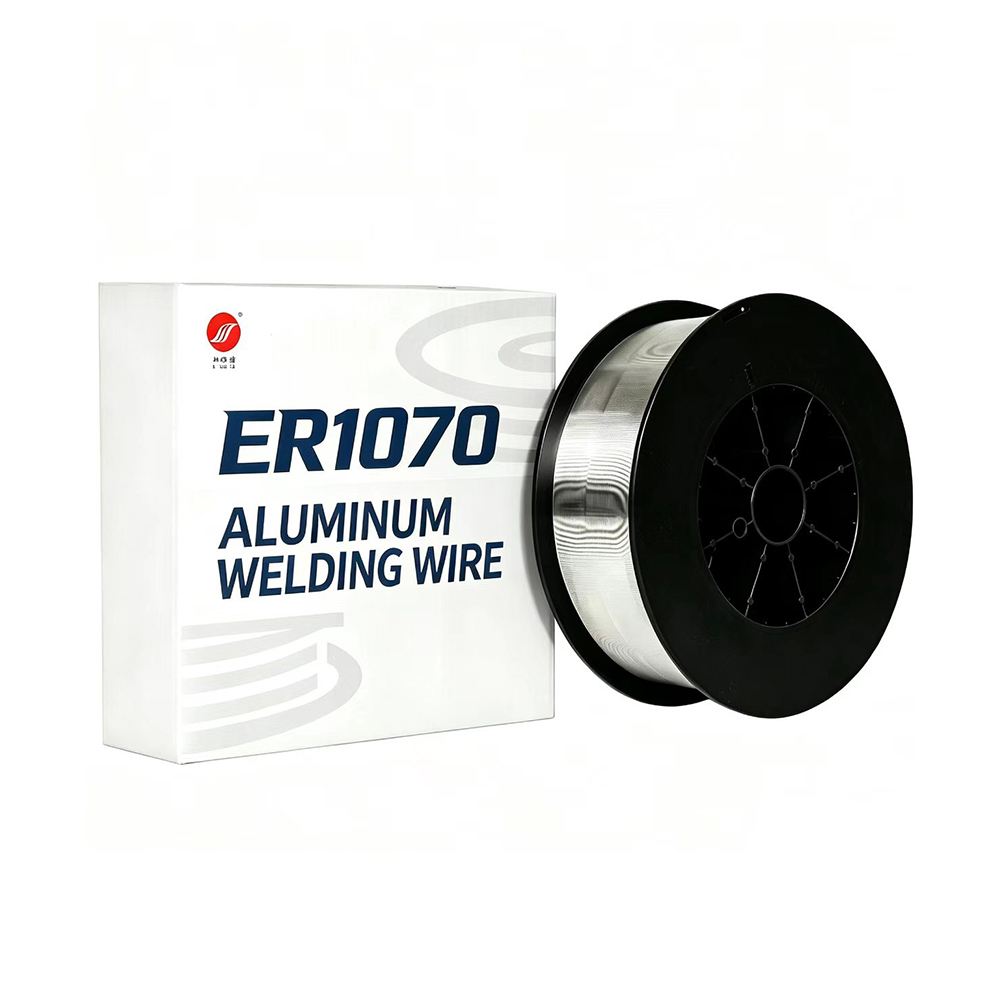
If you plan TIG welding on aluminum materials, you also need matching filler metals. Check our aluminum TIG welding wire for your welding projects.